Graphene has rapidly emerged as one of the most revolutionary materials in modern science. Often referred to as the “material of the 21st century,” it combines simplicity with extraordinary performance. But what makes graphene truly fascinating is not just its properties—it’s the surprisingly simple way it was first discovered.
What Is Graphene?
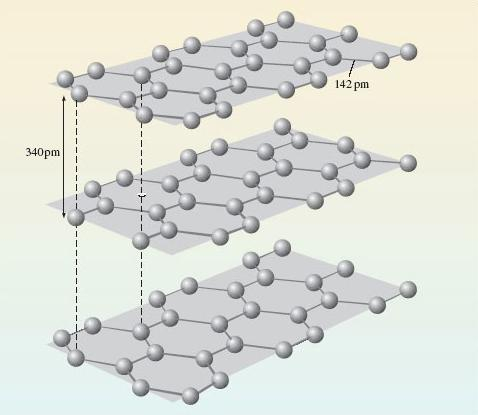
Graphene is a single layer of carbon atoms arranged in a two-dimensional honeycomb lattice. Unlike traditional materials, which exist in three dimensions, graphene is only one atom thick, making it the thinnest known material while also being incredibly strong and conductive.
This unique structure gives graphene exceptional properties, including:
- Outstanding thermal conductivity
- Superior electrical performance
- High mechanical strength
- Flexibility and lightweight characteristics
These features have positioned graphene as a key material in industries ranging from electronics to energy and heating systems.
The Scientific Breakthrough That Changed Everything
Before 2004, scientists widely believed that two-dimensional materials could not exist in a stable, free-standing form. According to established theory, such ultra-thin structures would naturally collapse or degrade.
This assumption was overturned by two physicists:
- Andre Geim
- Konstantin Novoselov
Working at the University of Manchester, they conducted an experiment that would redefine materials science.
The Famous “Scotch Tape” Experiment
In what is now considered one of the most elegant experiments in modern physics, Geim and Novoselov used ordinary adhesive tape to isolate graphene.
Here’s how it worked:
- They started with graphite, the same material used in pencils
- Using tape, they repeatedly peeled off layers
- Each peel made the flakes thinner
- Eventually, they isolated a single atomic layer—graphene
This method, known as mechanical exfoliation, proved that graphene could exist stably at room temperature.
Why This Discovery Matters
To understand the scale of this breakthrough, consider this:
- A 1 mm piece of graphite contains around 3 million layers of graphene
- Geim and Novoselov successfully isolated just one layer
This achievement unlocked a completely new field of research in nanomaterials and two-dimensional physics.
In recognition of their groundbreaking work, they were awarded the Nobel Prize in Physics 2010—just six years after their discovery, one of the fastest Nobel recognitions in history.
Graphene: The Foundation of Future Technologies
The isolation of graphene marked the beginning of a new era in science and engineering. Today, graphene is widely regarded as the fundamental building block of carbon nanomaterials, paving the way for innovations in:
- Advanced heating systems (including graphene heating films)
- Flexible electronics
- Energy storage solutions
- Smart materials and coatings
Conclusion
The story of graphene is a reminder that groundbreaking discoveries don’t always require complex tools—sometimes, they begin with something as simple as a piece of tape. From a humble experiment to a Nobel Prize-winning breakthrough, graphene continues to reshape industries and redefine what materials can achieve.