
Choose by Application
Conductive textile projects require different performance levels. Tell us what the fabric needs to achieve, and we will help identify a suitable yarn specification and integration method.
Antistatic Workwear
For fabrics designed to dissipate electrostatic charge and reduce static buildup in working environments.
Typical applications:
Antistatic uniforms
Cleanroom garments
Electronics manufacturing workwear
Industrial protective clothing
Antistatic gloves, socks and accessories
Dust-reducing textile products
Common integration methods:
Conductive grid structures
Conductive stripes
Yarn blending or interlacing
Localised conductive zones
Smart Wearables
For flexible conductive paths and textile components used in wearable electronic systems.
Typical applications:
Textile sensors
Signal-transmission paths
Touch-sensitive textile controls
Heated garments
Smart gloves and socks
Health-monitoring garments
Flexible textile electrodes
EMI Shielding Textiles
For woven, knitted or composite textile structures developed to reduce electromagnetic interference.
Typical applications:
EMI shielding fabrics
Equipment covers and protective enclosures
Electronic-device textile components
Communication and industrial shielding materials
Conductive curtains, linings and composite layers
Product Specifications
| Property | Available Options |
|---|---|
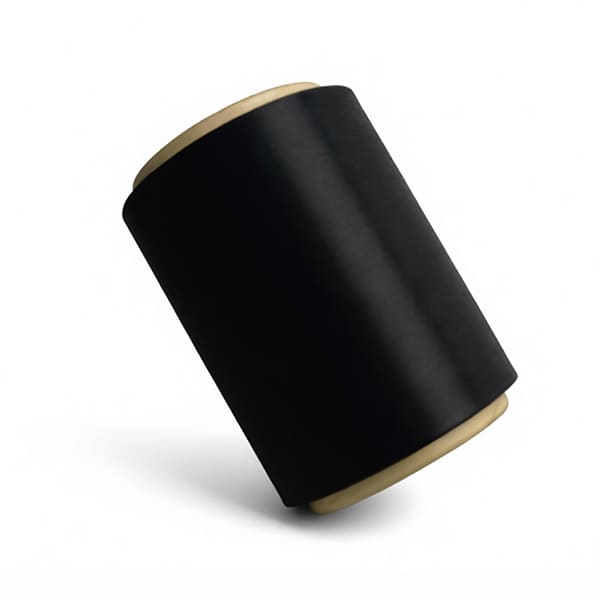
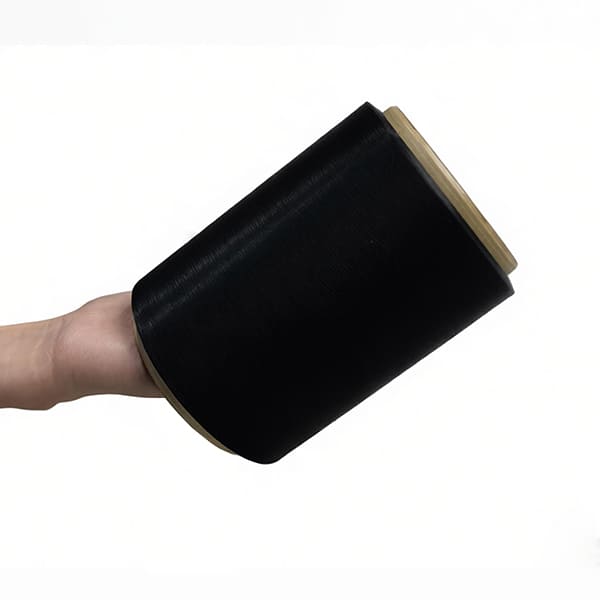
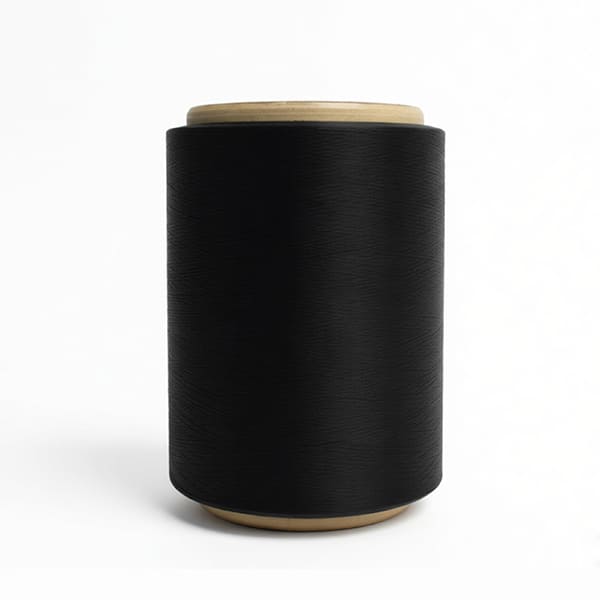
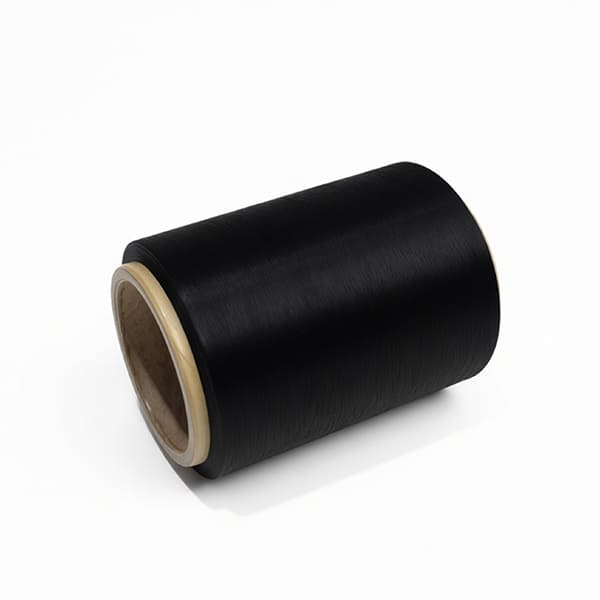
| Base material | Graphene conductive nylon |
| Yarn form | Filament yarn / Custom construction |
| Yarn specification | Customisable |
| Electrical resistance | Customisable according to application |
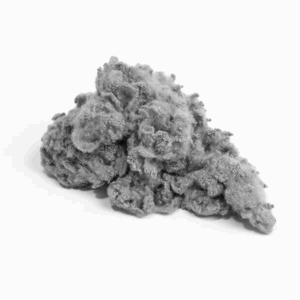
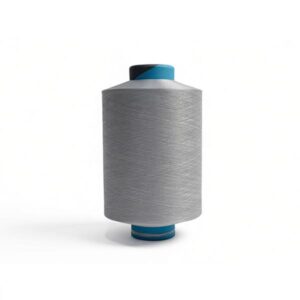
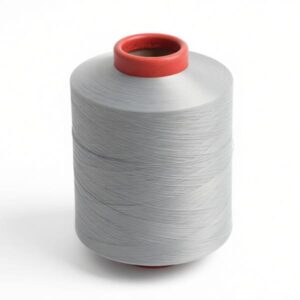
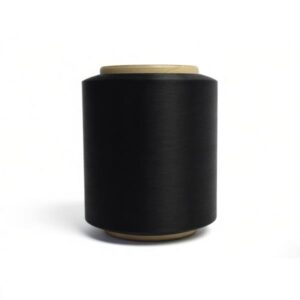
| Colour | Black / Grey / Custom options |
| Structure | Single yarn / Plied yarn |
| Processing | Knitting / Weaving / Embroidery / Textile integration |
| Conductive layout | Full-area / Grid / Stripe / Localised conductive zone |
| Packaging | Cone or spool packaging |
| Sampling | Available according to specification |

Reviews
There are no reviews yet.